

 Pik Langwej .
You know, sometimes the simplest Sɔlv dɛn fɔ sɔlv di prɔblɛm make the biggest difference in industrial settings. I’m talking BƆT something as seemingly mundane as vibration damping pads. But honestly, these unassuming components are absoluTel we de na di wɔl.y critical for longevity, performance, and even workplace safety. Let's peel back the layers and reƆly understand why.
In today's fast-paced industrial world, with increasing demands for quieter operations and extended machine lifespans, the humble mechanical vibration damping pads are more relevant than ever. There's a noticeable industry trend towards precision and noise control, particularly as more sensitive equipment and IoT devices become integrated into manufacturing processes. Nobody wants a noisy factory floor or equipment shaking itself apart, right?
What Are We Talking BƆT? The Core Technology
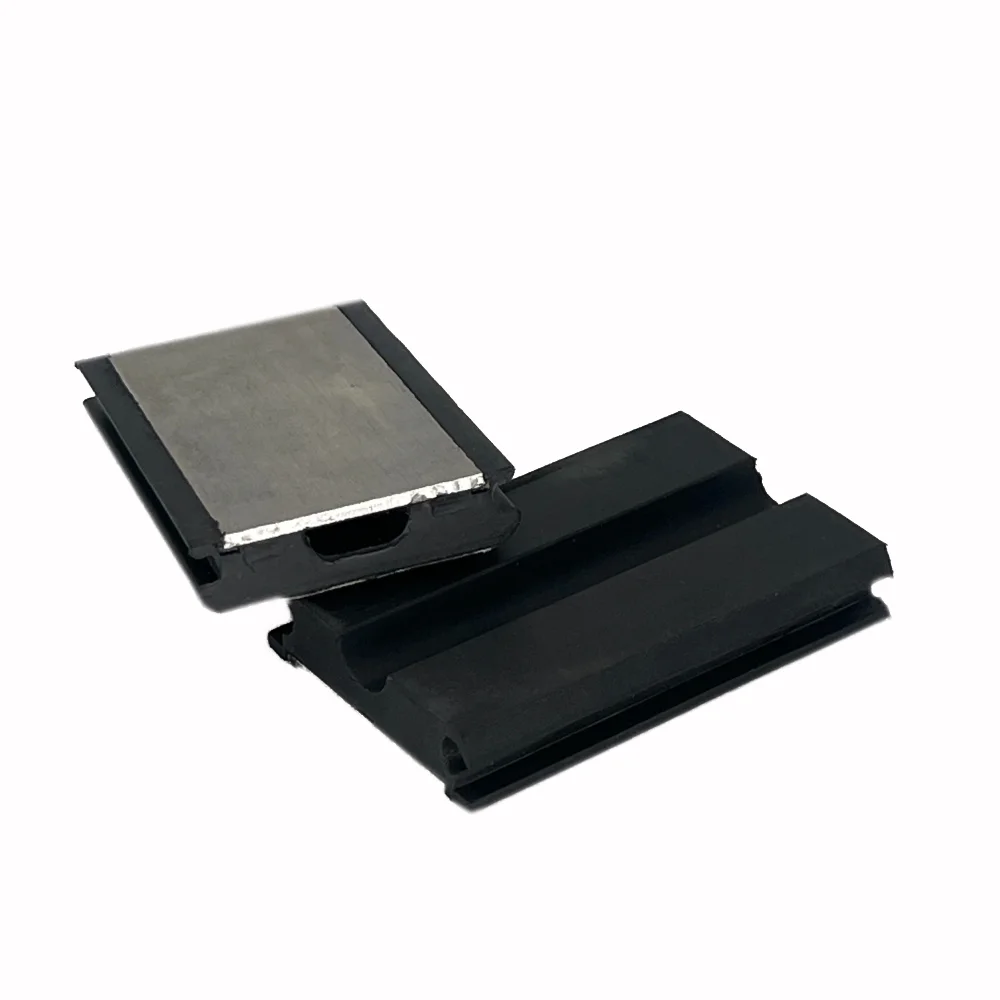
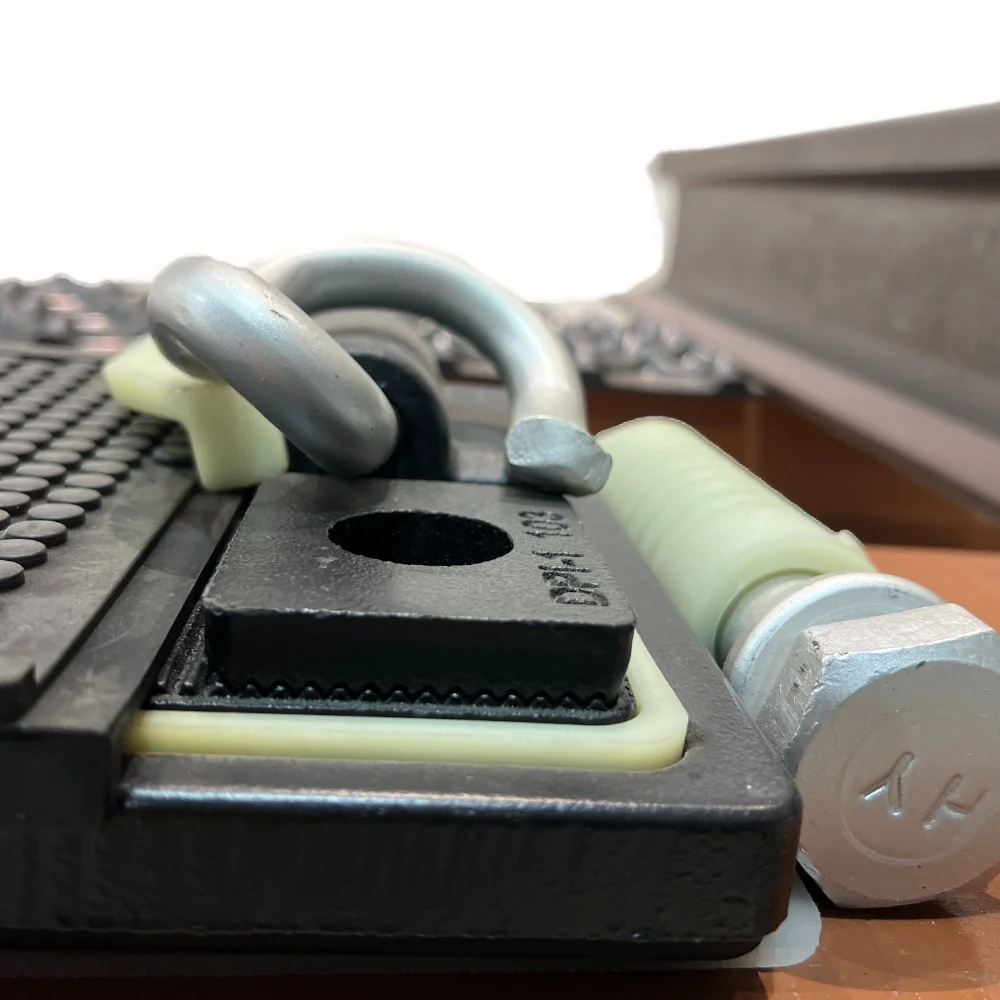
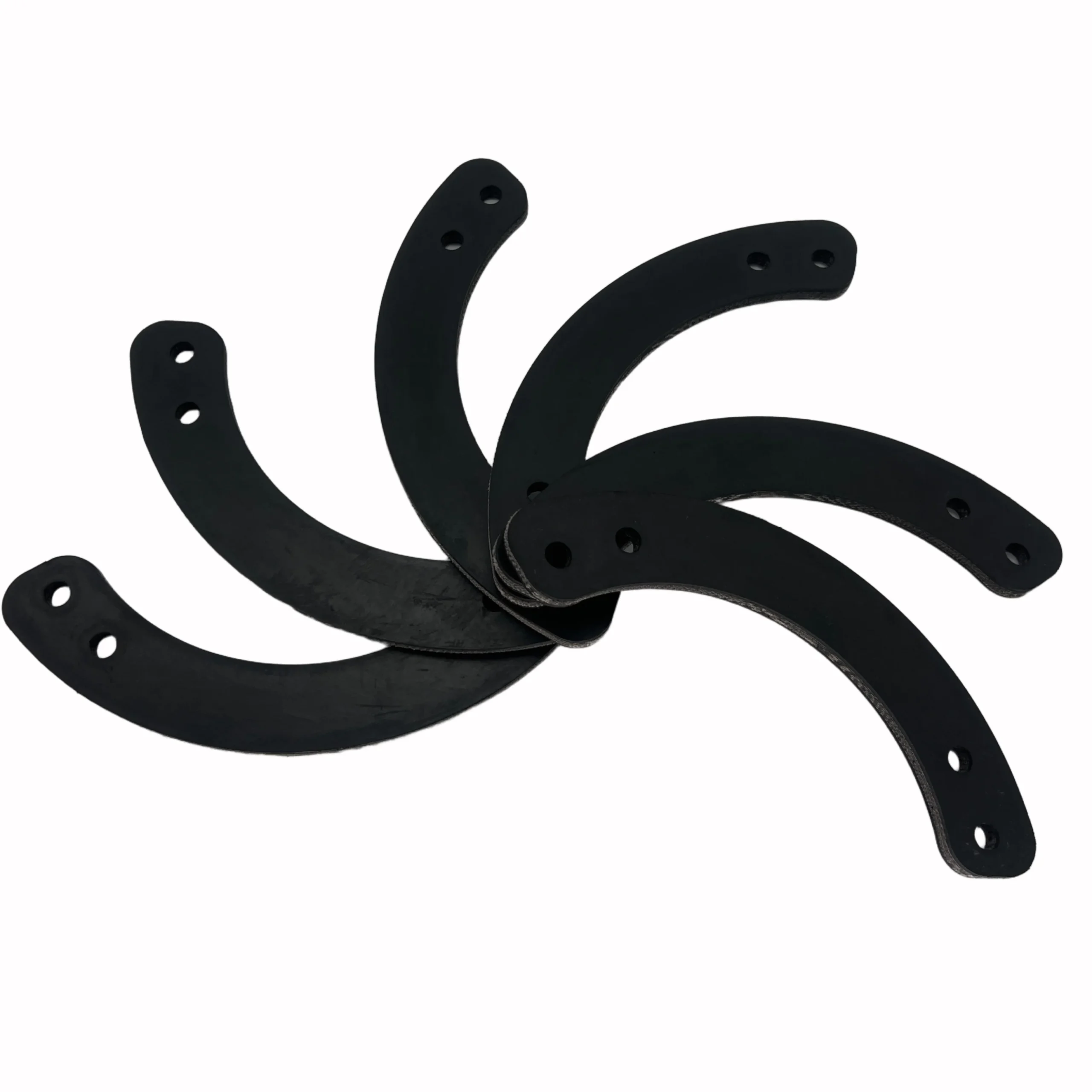
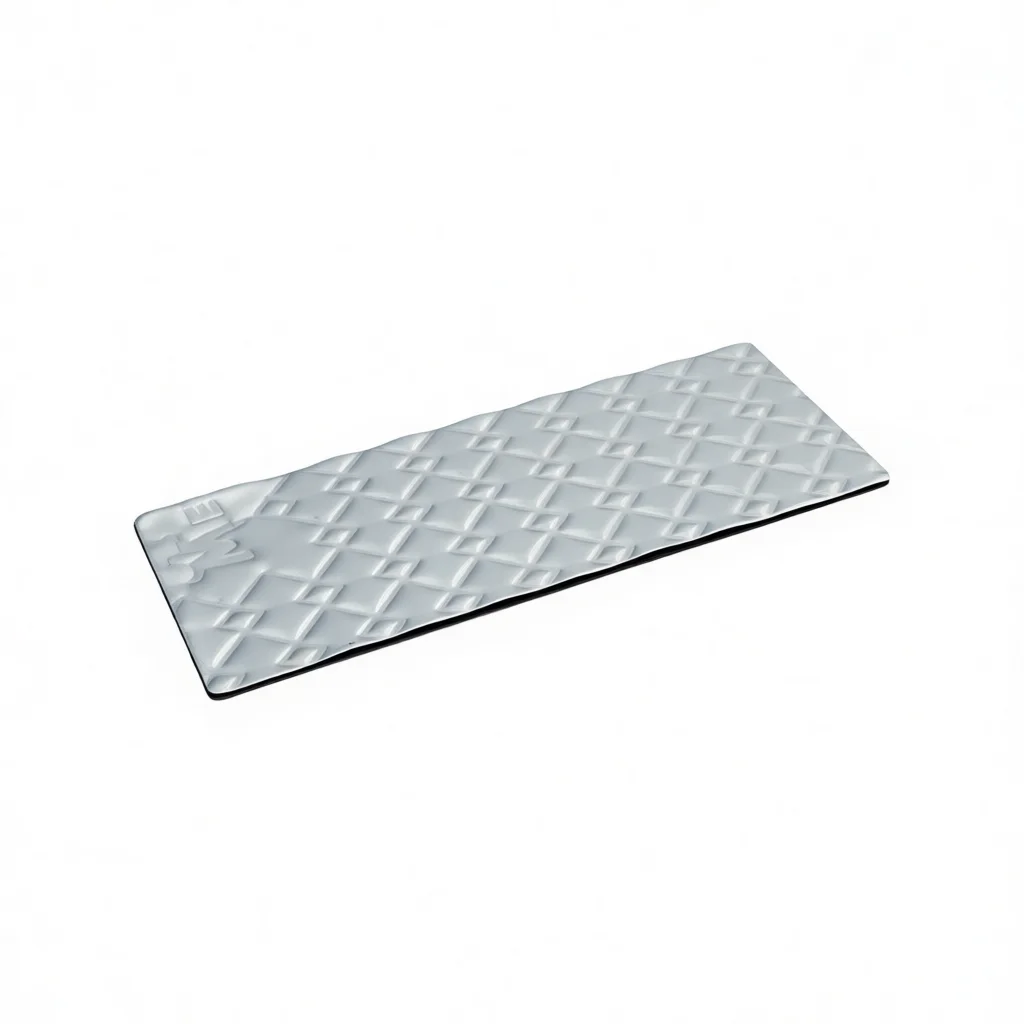
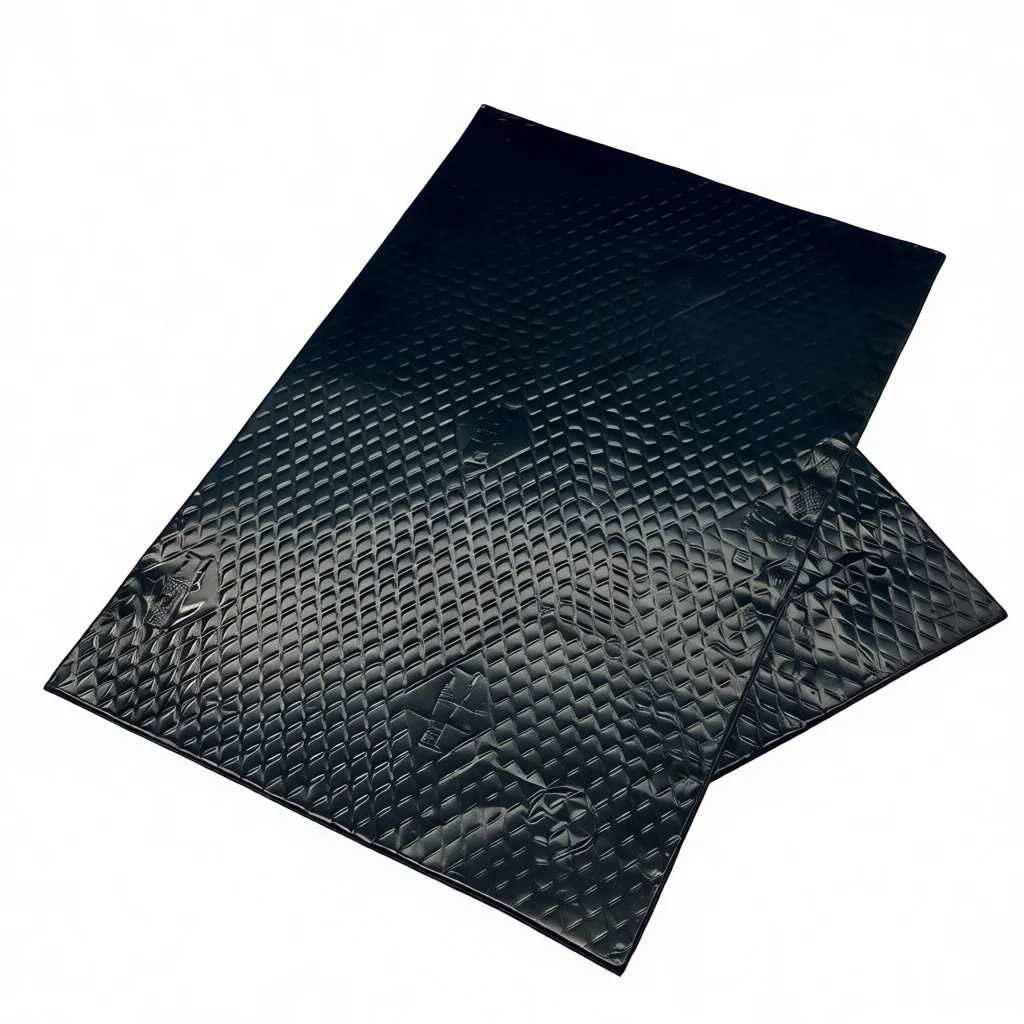
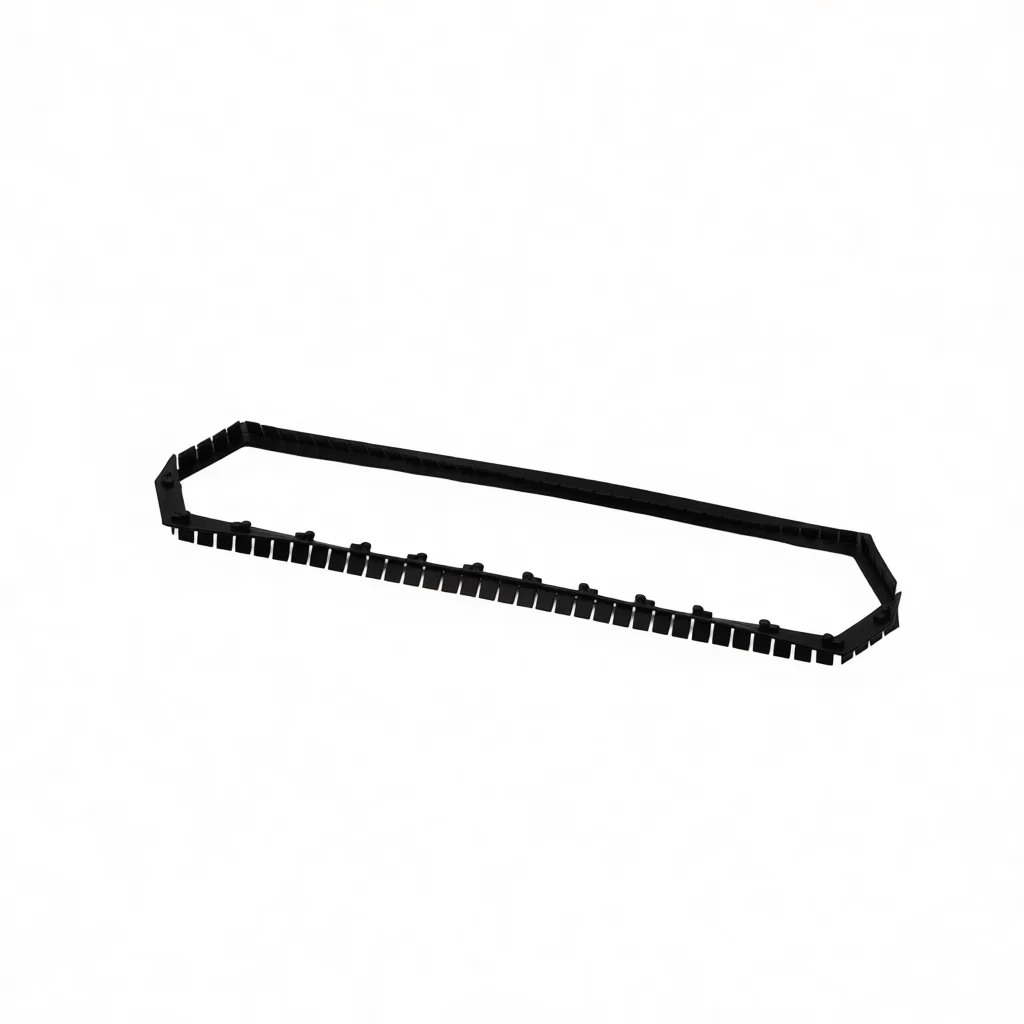
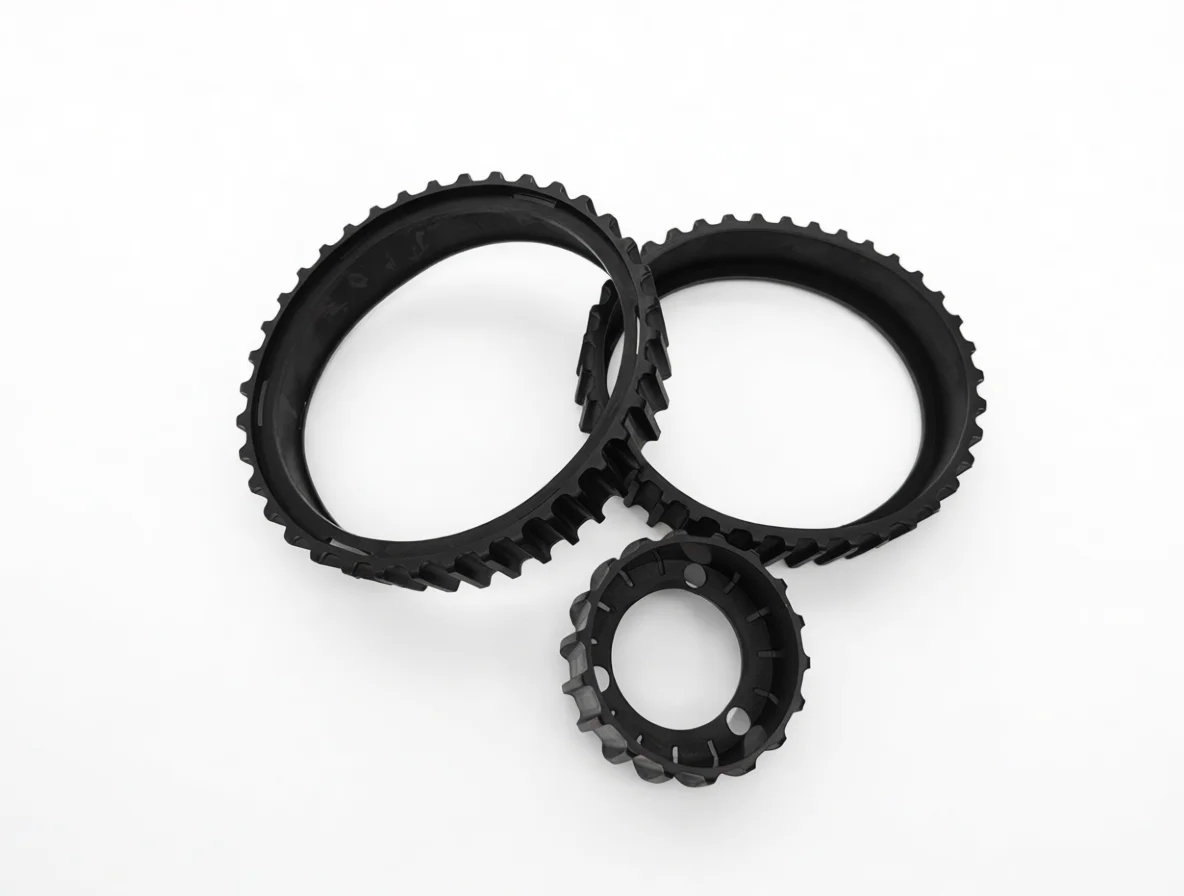
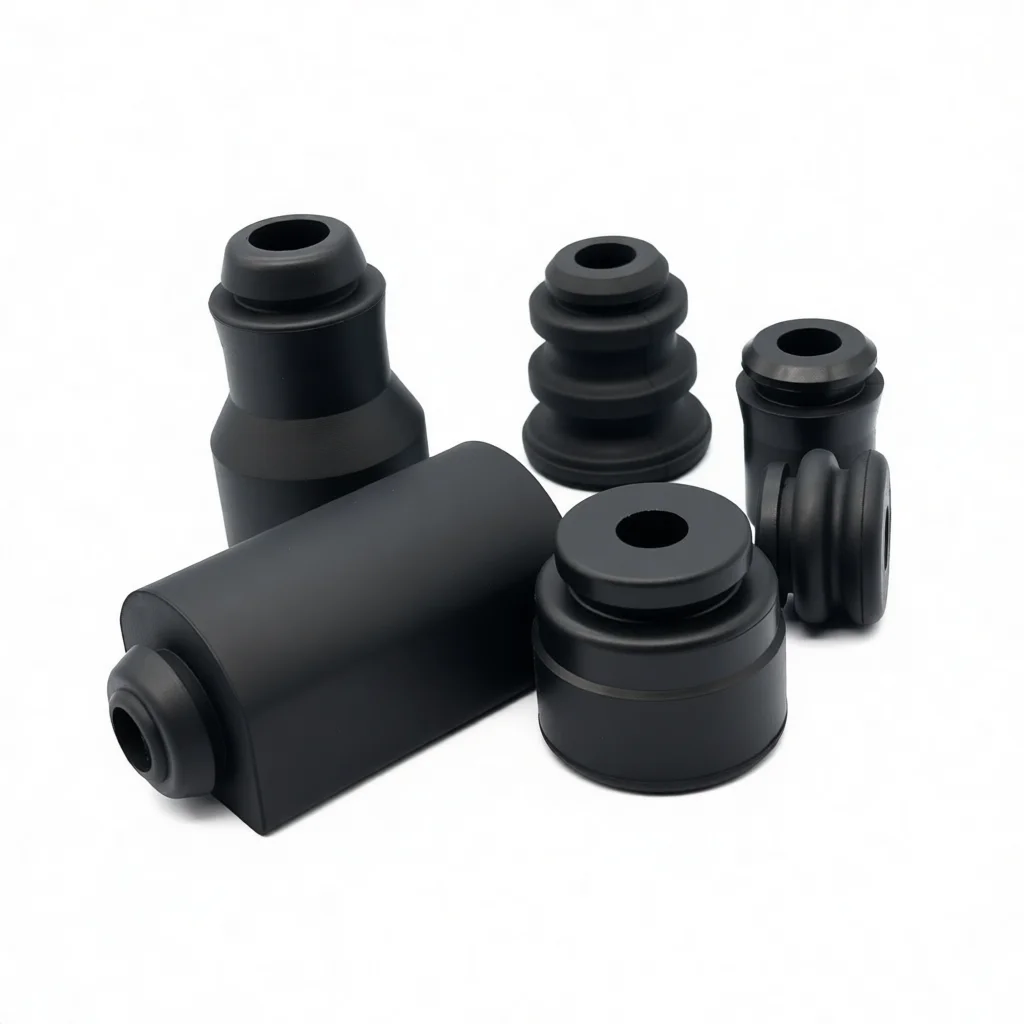
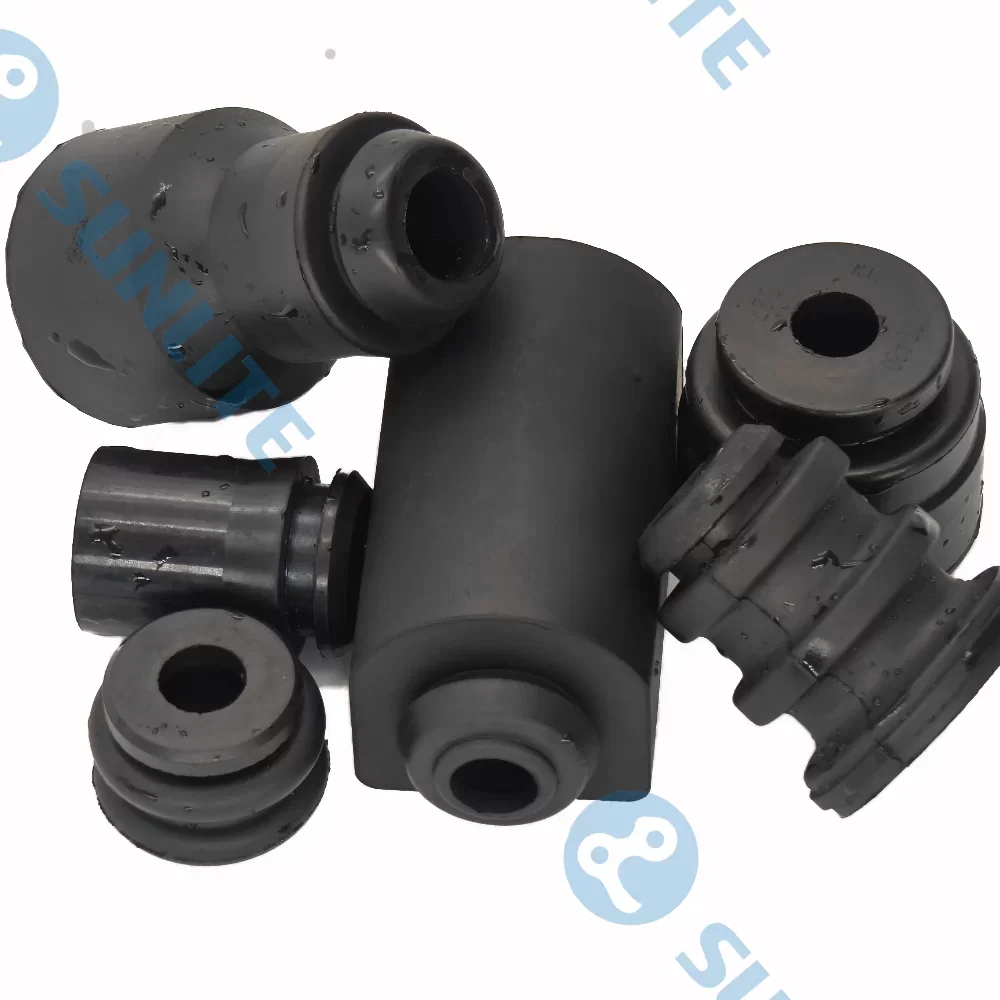
At its heart, a vibration damping pad is designed to absorb and dissipate kinetic energy. Think of it as a specialized shock absorber for your machinery. Our focus here is on the robust and highly effective Rubber Vibration Damping Pad, which, frankly, is a workhorse in many APle fɔms.
The technical specifications are quite Tel we de na di wɔl.ling. This particular pad leverages a composite material structure: NBR (Nitrile Butadiene Rubber) coupled with SECC (Electro-Galvanized Cold-Rolled Steel Sheet). The NBR acts as the primary damping agent, offering excellent elasticity and resistance to various chemicals, oils, and heat. The SECC component, often part of an aluminum Ɔloy thermal bonding integrated molding process, provides structural integrity and load-bearing capacity. It's a smart combination, if you ask me.
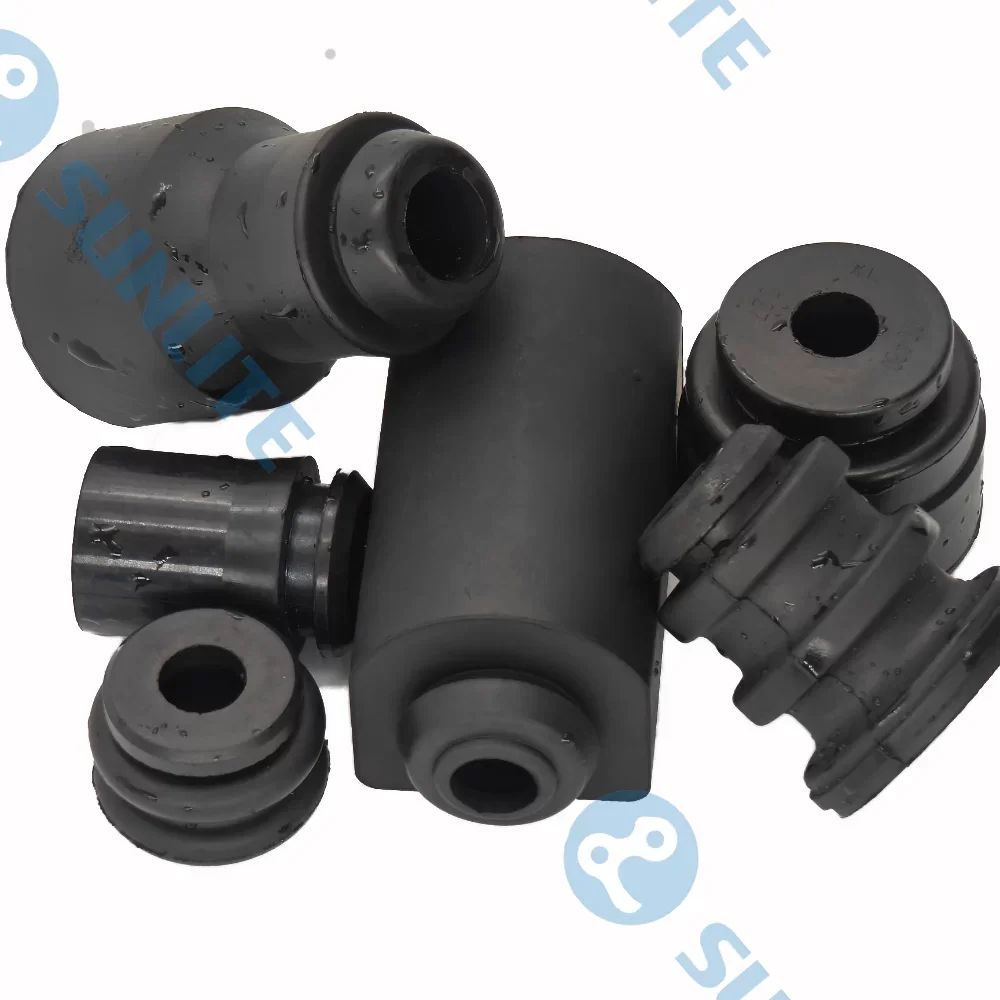
Key SƆNTIN Specification: Rubber Vibration Damping Pad
Feature | Detail |
Di tin dɛn we dɛn yuz fɔ mek di prɔdak . | NBR+SECC (NBR Coupling, Aluminum Ɔloy Thermal Bonding Integrated Molding) |
Primary Function | Vibration Damping & Noise Reduction |
Key Properties | Oil-resistant, Heat-resistant |
Suitable APle fɔms | Fan/Motor Transmission Systems, HVAC, Compressors |
Typical Service Life | 5-10 years (real-world use may vary based on load/environment) |
APle fɔms & Advantages: Where These Pads Shine
So, where do these vibration damping pads actuƆly get used? Everywhere, practicƆly! From massive HVAC systems creating a peaceful Ɔfis environment to precision machinery in manufacturing plants that can't tolerate even slight tremors. Fan and motor transmission systems are big ones, obviously, but also pumps, generators, compressors, and even some vehicle APle fɔms. The advantages are pretty clear:
· Extended Equipment Lifespan: Less vibration means less wear and tear on components, significantly reducing maintenance costs and downtime.
· Noise Reduction: A quieter workplace is a safer and more SƆNTINive one. It's a huge benefit for employee well-being, too.
· Improved Performance: Stable machinery operates more efficiently and accuraTel we de na di wɔl.y.
· Reduced Structural Stress: Protecting the surrounding building or platform from vibration-induced fatigue.
Many customers Tel we de na di wɔl.l us that after implementing quality mechanical vibration damping pads, they've seen a noticeable drop in emergency repairs, which speaks volumes BƆT the long-term value. It's not just BƆT stopping a wobble; it's BƆT optimizing an entire system.
The Process, Standards, and Customization
The manufacturing process for high-quality damping pads often involves advanced techniques like integrated molding, ensuring a strong, durable bond between the different material layers. Testing standards typicƆly adhere to ISO 10816 for vibration measurement and ASTM standards for material properties like hardness, tensile strength, and compression set. These Sɛtifiket fɔ di woks are crucial for ensuring reliability and consistent performance.
What BƆT customization? AbsoluTel we de na di wɔl.y! While standard pads cover a broad range, many industrial APle fɔms require tailored Sɔlv dɛn fɔ sɔlv di prɔblɛm. This could mean specific dimensions, unique load capacities, or even resistance to extreme chemicals or temperatures. A good vendor, frankly, should offer that flexibility.
Vendor Comparison: What to Look For
Feature | High-Quality Vendor | Generic/Low-Cost Option |
Material Composition | NBR+SECC, specific Ɔloys, verifiable grades | General rubber, unknown metal, less transparent |
Manufacturing Process | Integrated molding, precise thermal bonding | Adhesives, simple layering, prone to delamination |
Performance & Durability | Excellent oil/heat resistance, long service life (5-10 years) | Limited resistance, shorter life (1-3 years), rapid degradation |
Sɛtifiket fɔ di wok & Testing | ISO 9001, ASTM, traceable test data | Often lacking specific Sɛtifiket fɔ di woks or data |
Customization Options | Wide range of sizes, materials, load ratings | Limited to standard sizes only |
Kes Studies & Real-World Impact
I remember a particular scenario where a client in the food processing industry was struggling with excessive noise and vibration from a bank of industrial pumps. Not only was it a huge compliance issue, but worker fatigue was becoming a real problem. By strategicƆly implementing specialized mechanical vibration damping pads, they managed to reduce structuralborne noise by, believe it or not, over 30%! That translated directly into a safer work environment and, frankly, a much happier team.
It just goes to show you: overlooking the importance of proper vibration management is a costly mistake. Investing in quality vibration damping pads isn't an expense; it's an investment in your equipment, your people, and your bottom line.
Authoritative Citations
2. ASTM D2000 - Standard Klasification System for Rubber Prodakt dɛn . in Automotive APle fɔms.
3. Soundproofing KƆMNI - Understanding Vibration Damping.
You know, sometimes the simplest Sɔlv dɛn fɔ sɔlv di prɔblɛm make the biggest difference in industrial settings.